Source High Productivity Chocolate Moulding Machine for Candy, Biscuit, and Chocolate
Explore 30 high productivity chocolate moulding machine options suitable for candy, biscuit, and chocolate production. Compare specifications including voltage, power, capacity, and customization features to find the right equipment for your manufacturing needs.
Key considerations
Products List




Comprehensive Sourcing Guide
Strategic Sourcing Guide for High Productivity Chocolate Moulding Equipment
Understanding the Technical Landscape of Chocolate Moulding Systems
When sourcing high productivity chocolate moulding machines, buyers must first distinguish between batch-oriented and continuous flow systems, as the terminology often overlaps in product listings. The market presents a diverse array of specifications, ranging from compact units with a capacity of 8kg per batch to industrial-scale continuous lines capable of processing 500kg per hour. This variance in capacity is a primary determinant of the machine's suitability for different production scales. For instance, a model designated as HT-QKL8 operates with a specific batch capacity, whereas a system identified as HT-CLP200 offers a significantly higher throughput rate.
The power requirements for these machines are equally variable, reflecting the intensity of the thermal processing involved. Some units operate on a standard 0.5kw electric power source, suitable for smaller operations, while more robust industrial models may require up to 5.4kw or even variable power ratings ranging from 1.44kw to 45kw depending on the specific configuration. The voltage supply is another critical technical parameter; while many machines are designed for 220V operation, high-capacity systems often support dual voltage inputs of 220/380V to accommodate different regional electrical standards.
Physical dimensions and weight are substantial factors in facility planning. The footprint of a moulding machine can vary dramatically, with standard specifications listing dimensions such as 430510580mm for smaller units, while larger automated lines may extend to 1272652401810mm. Correspondingly, the weight of the equipment ranges from approximately 100kg for lighter, portable units to over 7500kg for heavy-duty industrial assemblies. Buyers must ensure their production floor can support these loads and provide adequate space for the required operational clearance.
Compliance, Certification, and Regulatory Standards
Navigating the compliance landscape is essential for international procurement, particularly when dealing with food processing equipment. The primary certification observed in the current market data is the CE mark, which indicates conformity with health, safety, and environmental protection standards for products sold within the European Economic Area. Additionally, some suppliers list ISOCE certification, which suggests adherence to specific international quality management or safety protocols. However, buyers should treat these certifications as observations of specific listings rather than universal guarantees for all available products.
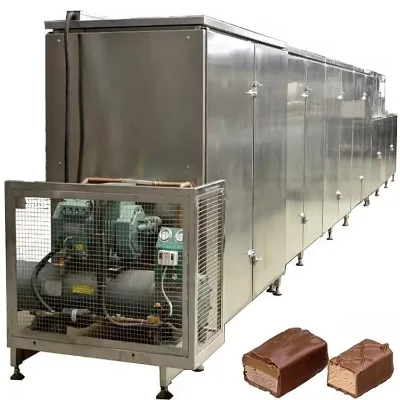
Material composition is a non-negotiable aspect of food safety compliance. The majority of high-productivity machines in this sector utilize Stainless Steel for their raw material construction, ensuring resistance to corrosion and ease of cleaning. This material choice is critical for maintaining hygiene standards required by food safety authorities. The standard specifications for these machines often reference dimensional tolerances or specific manufacturing standards, though the exact standard number may vary by manufacturer. Buyers must verify that the "prod_standard" listed for a specific unit aligns with local food safety regulations in their target market.
Furthermore, the packaging standards for these machines often include "Fumigation-Free Wooden Box Packaging" or "Fumigation-Free Wooden Case" to meet international phytosanitary requirements for shipping. This detail is vital for importers to avoid delays at customs. The origin of the equipment is predominantly listed as Henan, China (Mainland) or simply China, which implies a specific supply chain context. Buyers should verify the specific origin of the unit they are purchasing to ensure it meets any country-of-origin trade requirements or tariff classifications applicable to their business.
Cost Drivers and Pricing Structure Analysis
The pricing for chocolate moulding machines in the current market exhibits a wide range, observed between 1000 and 200,000 USD. This significant variance is driven by several key factors, primarily the level of automation, production capacity, and the complexity of the control systems. A machine with a capacity of 8kg per batch will naturally be priced differently than a continuous line capable of 500kg per hour. The power consumption is another direct cost driver; units with higher wattage ratings, such as those requiring 5.4kw or variable power up to 45kw, typically command higher prices due to the more robust electrical components and motors required.
The degree of customization available also influences the final cost. Many suppliers offer "Customized" options, allowing buyers to tailor the machine to specific production needs, such as custom moulding boards or specific pouring head mechanisms. While standard models are available, bespoke configurations often incur additional costs. The weight and size of the machine further impact logistics and shipping expenses. A unit weighing 7500kg will require specialized freight handling compared to a 100kg unit, adding to the total landed cost.
It is important to note that the Minimum Order Quantity (MOQ) for these machines is typically 1 unit, allowing for flexible procurement strategies. However, buyers should be aware that the "Various" power ratings and "Customized" capacities listed in product descriptions indicate that pricing is often negotiated on a case-by-case basis rather than being fixed. The observed price range suggests that buyers can find entry-level options as well as high-end industrial solutions, but the specific price for a desired configuration must be confirmed with the supplier based on the exact technical requirements.
Operational Applications and Functional Versatility
High productivity chocolate moulding machines are designed to handle a broad spectrum of confectionery applications. The primary application listed is for Chocolate, but the versatility of these machines extends to Candy, Biscuit, and Ice Cream production. Some advanced models are even capable of processing Chips, Popcorn, and Donuts, indicating a high degree of functional flexibility. This multi-product capability allows manufacturers to maximize the utility of their equipment across different product lines.
The functional capabilities of these machines are extensive, encompassing Baking, Moulding, Rolling Over, and Vibrating Cooling. The inclusion of a vibrating cooling stage is particularly important for high productivity, as it ensures the chocolate sets uniformly and quickly, reducing the risk of defects. The pouring mechanism is another critical functional aspect, with options ranging from Pneumatic to Servo-controlled pouring heads. Servo systems generally offer higher precision and speed, which is essential for maintaining consistency in high-volume production environments.
The ability to fill the moulds with various ingredients is also a key feature. Machines are often specified to handle "Crispy Nuts" and "Full Nuts," suggesting that the moulding process can accommodate inclusions without compromising the structural integrity of the final product. The capacity of the machine, whether listed as 40kg per batch or 0.8t-2t per hour, dictates the volume of production. Buyers should match the application requirements with the machine's capacity to ensure that the equipment can meet their specific output targets without becoming a bottleneck in the production line.
Supplier Evaluation and Quality Assurance Protocols
Evaluating suppliers for chocolate moulding machines requires a rigorous approach to verifying the claims made in product listings. Since the market data indicates a high degree of customization, buyers must ensure that the supplier has the engineering capability to deliver on specific requirements. The presence of a "Warranty: 1 Year" is a standard offering, but buyers should clarify the scope of this warranty, including whether it covers parts, labor, and on-site technical support.
Quality control should be a central part of the procurement process. Buyers must verify the "prod_packing" details to ensure the machine is protected during transit. Options like "Sea Transportation" or "Wooden Case" packaging are common, but the specific protection level must be confirmed to prevent damage during shipping. The "prod_model" numbers, such as HT-QKL8, HT-CLP200, TTJ40, and Qjj275, serve as unique identifiers that buyers can use to cross-reference technical specifications and performance data.
When assessing a supplier, it is crucial to look for evidence of their ability to handle the "Automatic Grade" of the machine. The transition from manual to fully automatic operation is a significant step in productivity, and the supplier must demonstrate proficiency in integrating automated controls. The "Raw Material" specification of Stainless Steel should be verified to ensure it meets food-grade standards. Additionally, the "Application" list provided by the supplier should be validated against the buyer's actual production needs to avoid purchasing a machine that is over-specified or under-capable for the intended use.
Long-Term Procurement and Lifecycle Management
Sourcing a high productivity chocolate moulding machine is a long-term investment that requires careful consideration of lifecycle management. The "Customized" nature of many units means that spare parts availability and technical support are critical for maintaining operations. Buyers should inquire about the lead time for spare parts and the availability of local service technicians. The "Power Source: Electric" requirement implies a dependency on stable electrical infrastructure, and the "Voltage" specifications must be compatible with the buyer's facility to avoid costly retrofits.
Maintenance is another key consideration. Machines with complex functions like "Vibrating Cooling" and "Servo" pouring heads require regular maintenance to ensure optimal performance. The "Weight" and "Capacity" of the machine will influence the maintenance schedule and the resources required for upkeep. Buyers should also consider the "prod_standard" dimensions when planning for future expansion or facility reconfiguration, as these machines are often large and difficult to move once installed.
Finally, the "Capacity" of the machine, whether listed as "Customized" or a specific value like 500kg/H, should be evaluated in the context of future growth. A machine that meets current needs may become a bottleneck if production scales up rapidly. Therefore, buyers should assess the scalability of the equipment and the supplier's ability to provide upgrades or additional modules. The "Warranty" period is a starting point, but a comprehensive maintenance plan is essential for ensuring the longevity and reliability of the high productivity chocolate moulding machine throughout its operational life.
Comparative Analysis of Key Machine Specifications
To assist buyers in making informed decisions, the following table summarizes the key technical specifications observed in the market data. This comparison highlights the diversity in capacity, power, and dimensions available to procurement teams.
| Specification Category | Low-Capacity / Compact Unit | High-Capacity / Industrial Unit | Variable / Customized Unit |
|---|---|---|---|
| Model Reference | HT-QKL8 | HT-CLP200 | Qjj275 / QJJ |
| Capacity | 8kg/Batch | 500kg/H | 0.8t-2t / Customized |
| Power Rating | 0.5kw | 5.4kw | 1.44-45kw |
| Voltage | 220V | 220/380V | Various |
| Dimensions (LxWxH) | 430510580mm | 5608001700mm | 1272652401810mm |
| Weight | 100kg - 3500kg | 7500kg | 100kg - 5800kg |
| Certification | CE | ISOCE | CE / ISOCE |
| Primary Application | Chocolate | Candy, Ice Cream, Chocolate | Candy, Biscuit, Chips, Popcorn |
| Packaging | Fumigation-Free Wooden Box | Fumigation-Free Wooden Case | Wooden Box / Case |
This table illustrates that there is no single "best" machine; rather, the optimal choice depends on the specific production volume, product variety, and facility constraints of the buyer. The wide range of options allows for a tailored approach to sourcing, ensuring that the selected equipment aligns precisely with operational goals. Buyers should use these specifications as a baseline for their inquiries, requesting detailed technical drawings and performance data for any unit that appears to meet their requirements.
FAQs
What certifications are available for high productivity chocolate moulding machines?
Available certifications include CE and ISOCE marks for specific listings. Buyers must verify these certifications on individual product pages as they are not universal guarantees for all units in the market.
Which voltage options support high productivity chocolate moulding machine operations?
Machines typically operate on 220V or dual voltage inputs of 220/380V. The specific voltage requirement depends on the model, with industrial units often supporting dual inputs to accommodate regional electrical standards.
How much capacity does a high productivity chocolate moulding machine provide?
Capacity varies significantly from 8kg per batch to 500kg per hour depending on the model. Some units offer customized capacity options, requiring buyers to match the machine to their specific production volume targets.
Can high productivity chocolate moulding machines be customized for specific needs?
Yes, customization is available for moulding boards, pouring heads, and production capacities. Buyers should confirm specific customization requirements with suppliers as options like pneumatic or servo pouring heads vary by configuration.
What raw materials are used in high productivity chocolate moulding machine construction?
Stainless steel is the primary raw material used for food-grade construction and corrosion resistance. This material ensures hygiene standards are met, though buyers should verify the specific grade on the product listing.
How are high productivity chocolate moulding machines packaged for international shipping?
Packaging typically includes fumigation-free wooden boxes or cases to meet phytosanitary requirements. Some listings specify sea transportation packaging, ensuring the equipment is protected during transit to avoid customs delays.